Creative Concept: Tomáš Nedvěd
Exhibition Visual Concept: Lukáš Kijonka
UX and App Design: Klára Bárová
Development: Ondřej Vališ (VRCØT)
3D Assets: Ondřej Vališ (VRCØT)
Animation: Filip Diviak, Miriama Trnavská (Pirogy Studios)
Project Lead: Tomáš Nedvěd
Agency Project Management: Nikola Březinová
Client Project Management: Ivan Bergmann
Photography: Julius Filip
Challenge
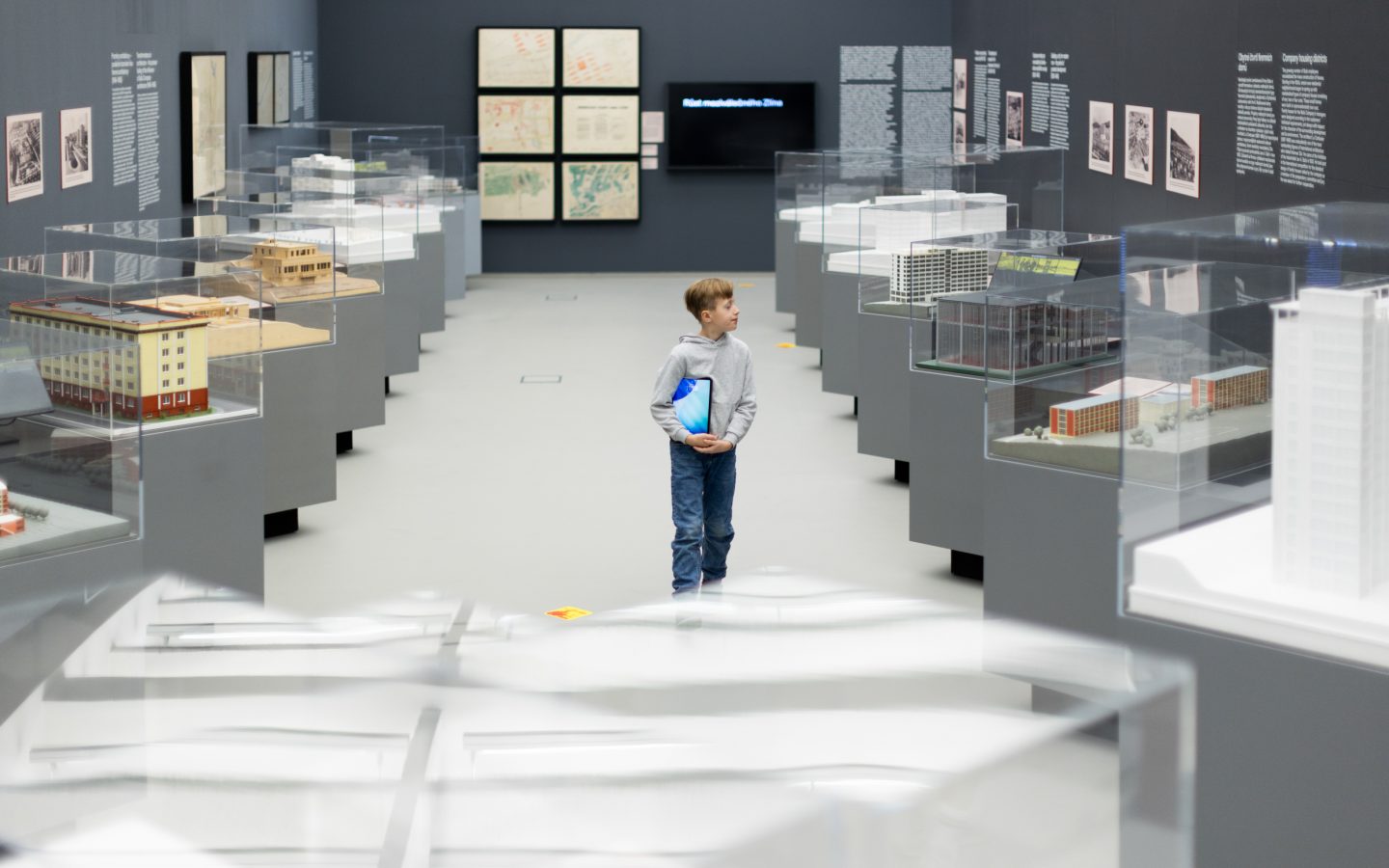
The Regional Gallery of Fine Arts in Zlín, Czech Republic was preparing Plus Mínus Zlín, a new permanent exhibition spanning fine art, architecture and design. Alongside the physical exhibition, the ambition was to create a mobile app using augmented reality as another way in.
The real challenge was not technological. It was curatorial and experiential. The app had to feel accessible across generations, work naturally within the exhibition environment, and add genuine value rather than behave like a gimmick bolted onto the side.
Concept
We approached the project on two levels: the app itself, and a set of 11 immersive points embedded across the exhibition.
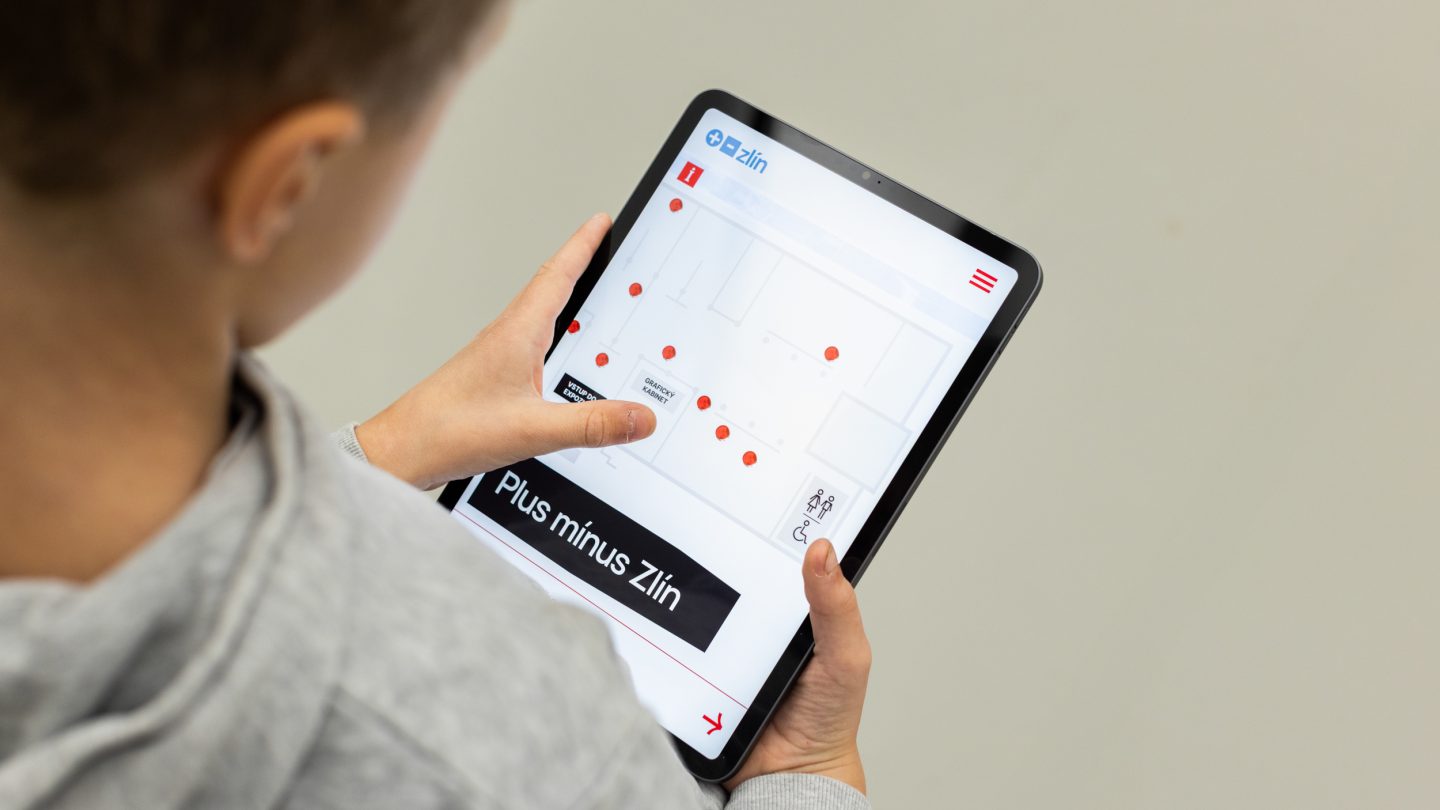
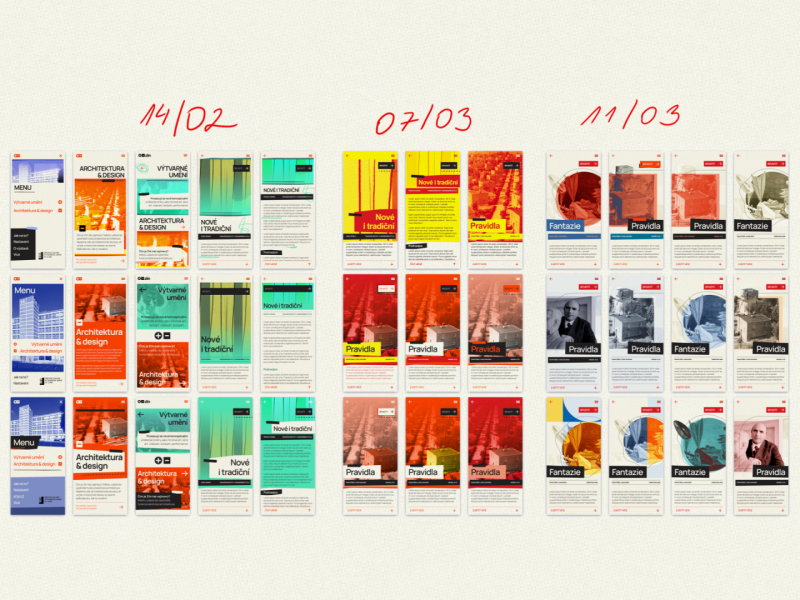
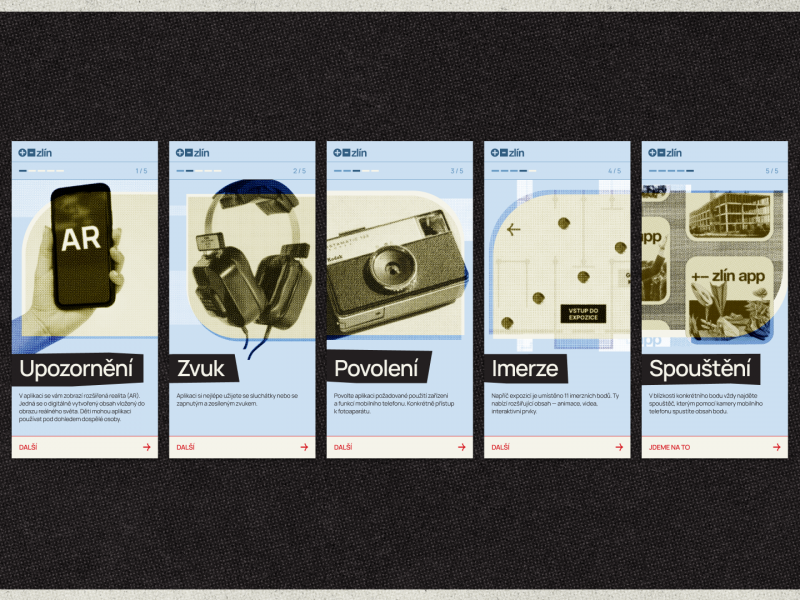
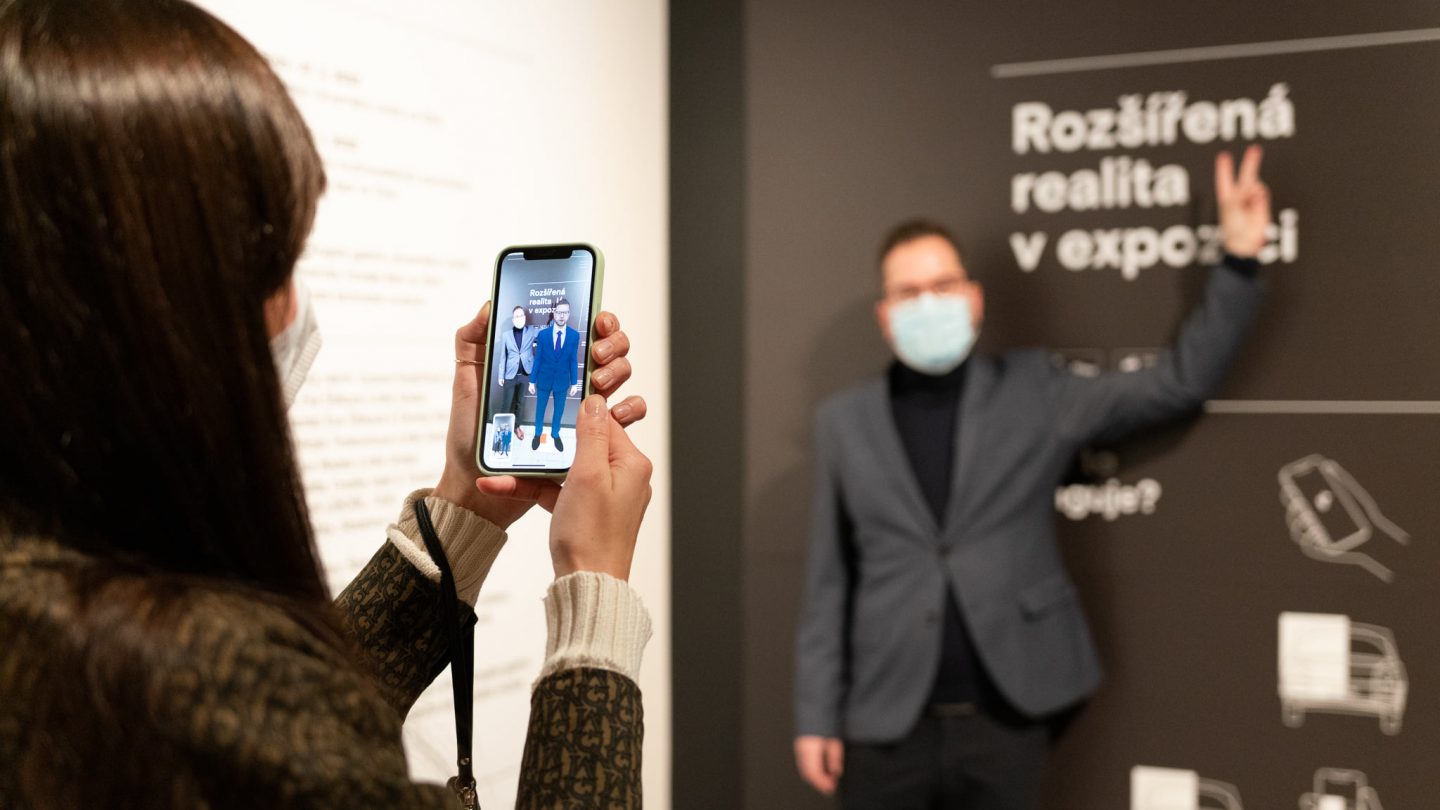
First, we designed the app experience to support open exploration rather than a fixed route. Visitors can enter each point independently, move through the exhibition at their own pace, and use the app as a layer of discovery rather than a set of instructions. A simple scanning interface opens each interaction, while a Learn More function adds context before or after the AR experience itself. Visually, the app draws from the exhibition architecture by Lukáš Kijonka, as well as the language of Czechoslovak posters and mid-century design.
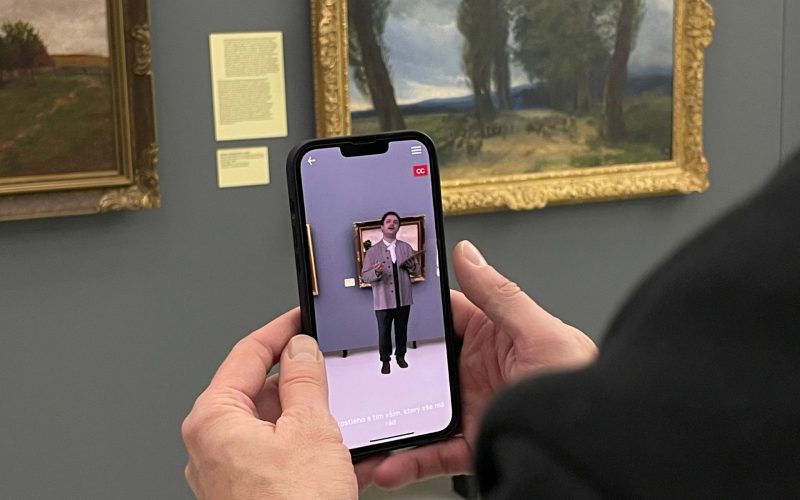
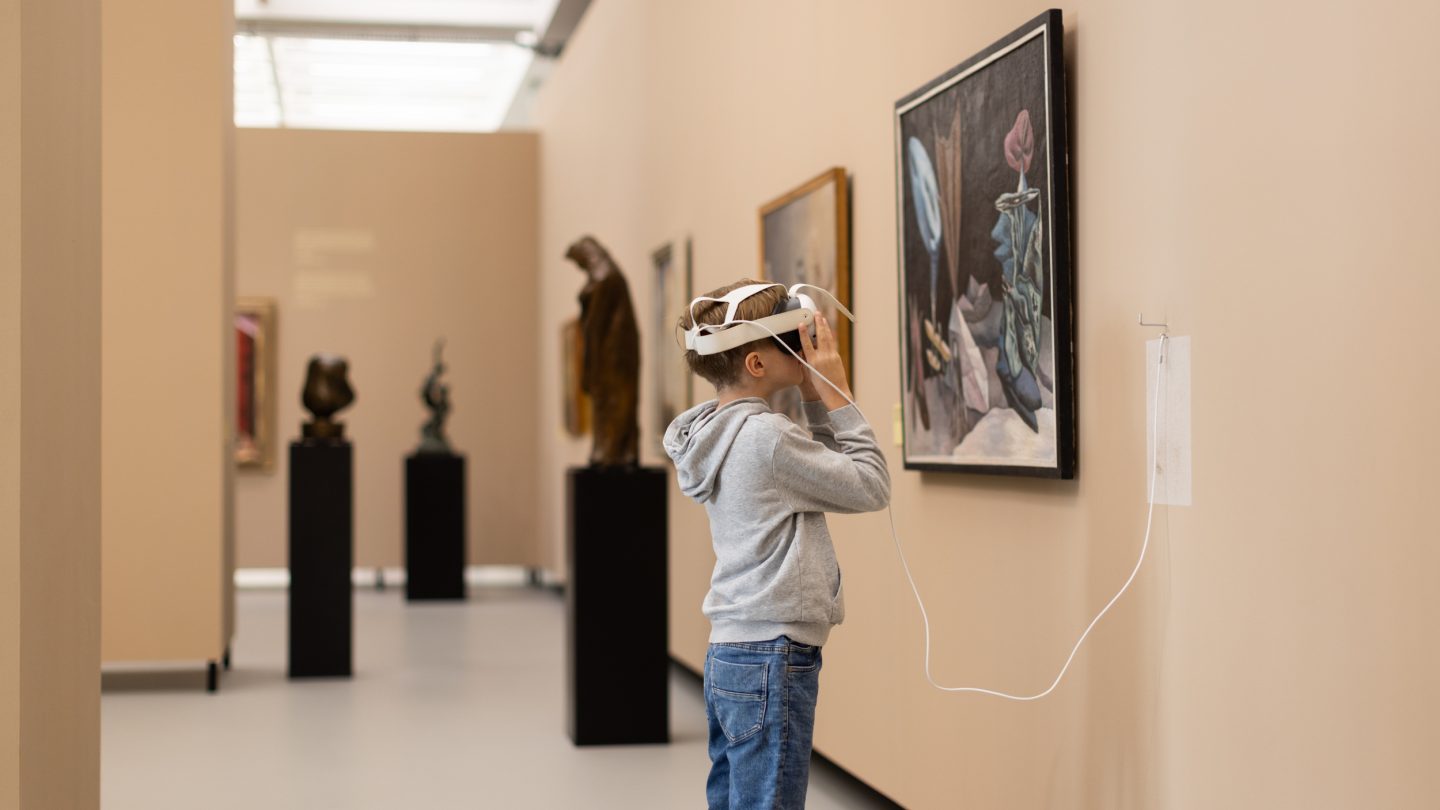
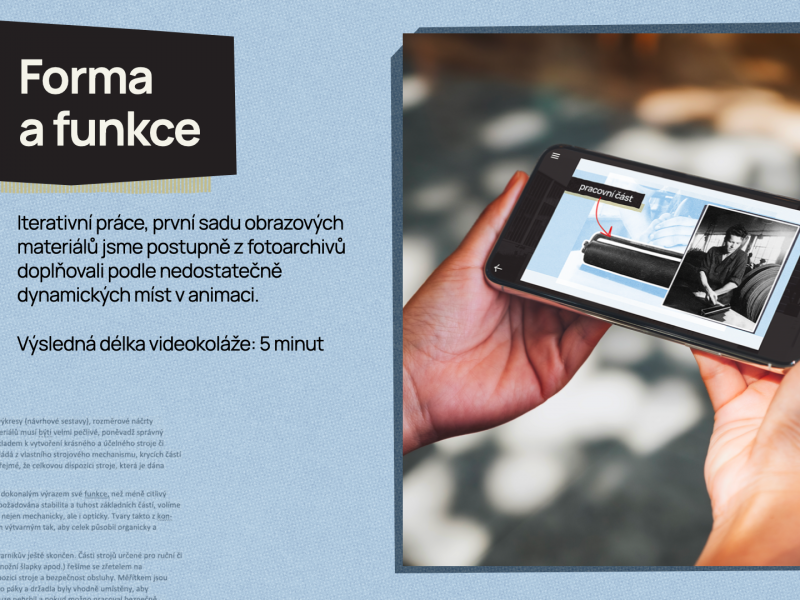
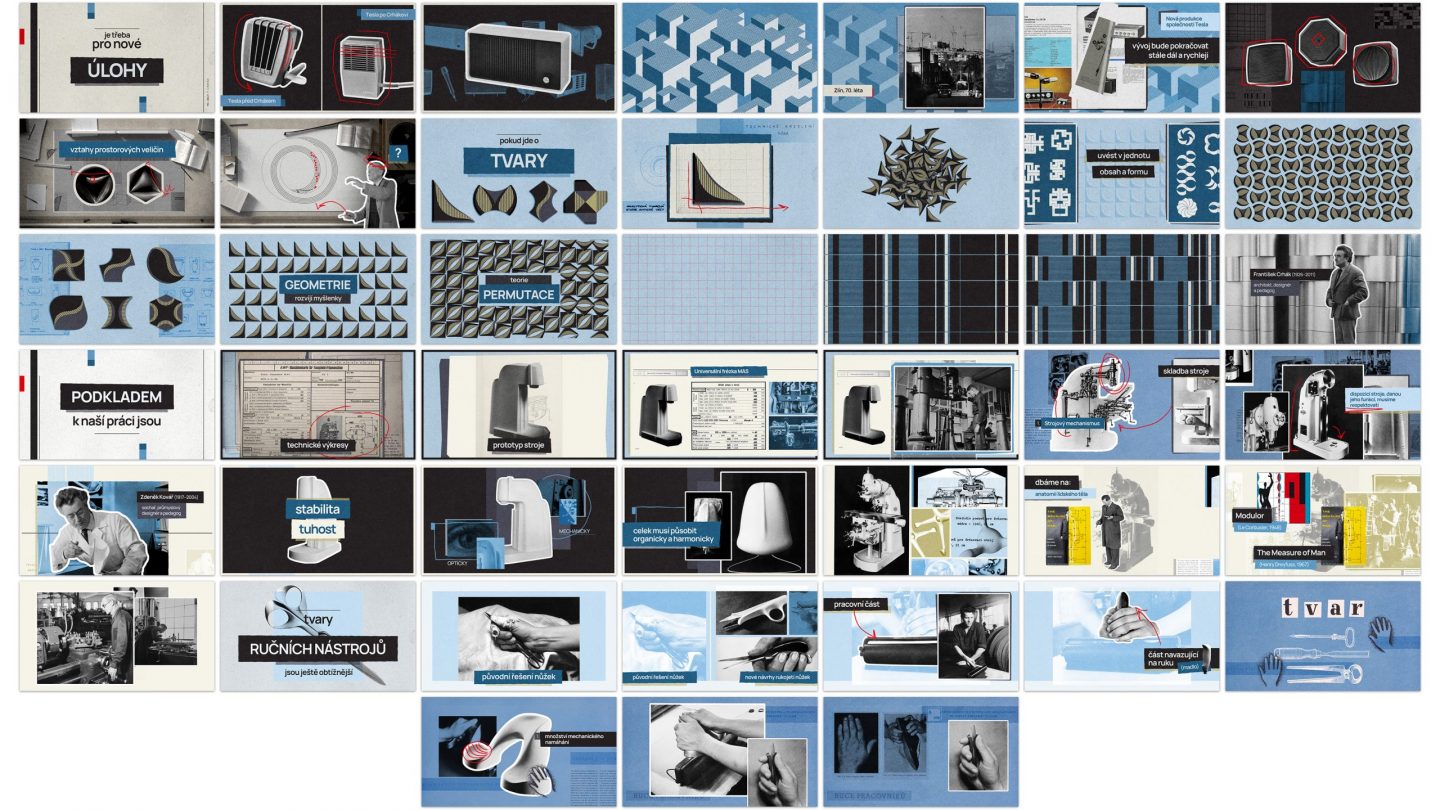
Second, we developed 11 immersive points that extended the exhibition into sound, motion and interaction. These included city and nature soundscapes, 3D holograms viewed through the phone camera, selfie filters, animations created with Pirogy Studios, a 3D interpretation of the 6.15 architectural principle, a product-design videocollage, a VR experience based on one of the exhibited paintings, and an animated cubist self-portrait. The aim throughout was simple: not to compete with the exhibition, but to deepen it.
Result
The result is a digital layer that feels integrated rather than imposed. The app creates a bridge between physical exhibition design and a more interactive mode of discovery, helping visitors engage with complex themes in a way that is intuitive, contemporary and memorable.